

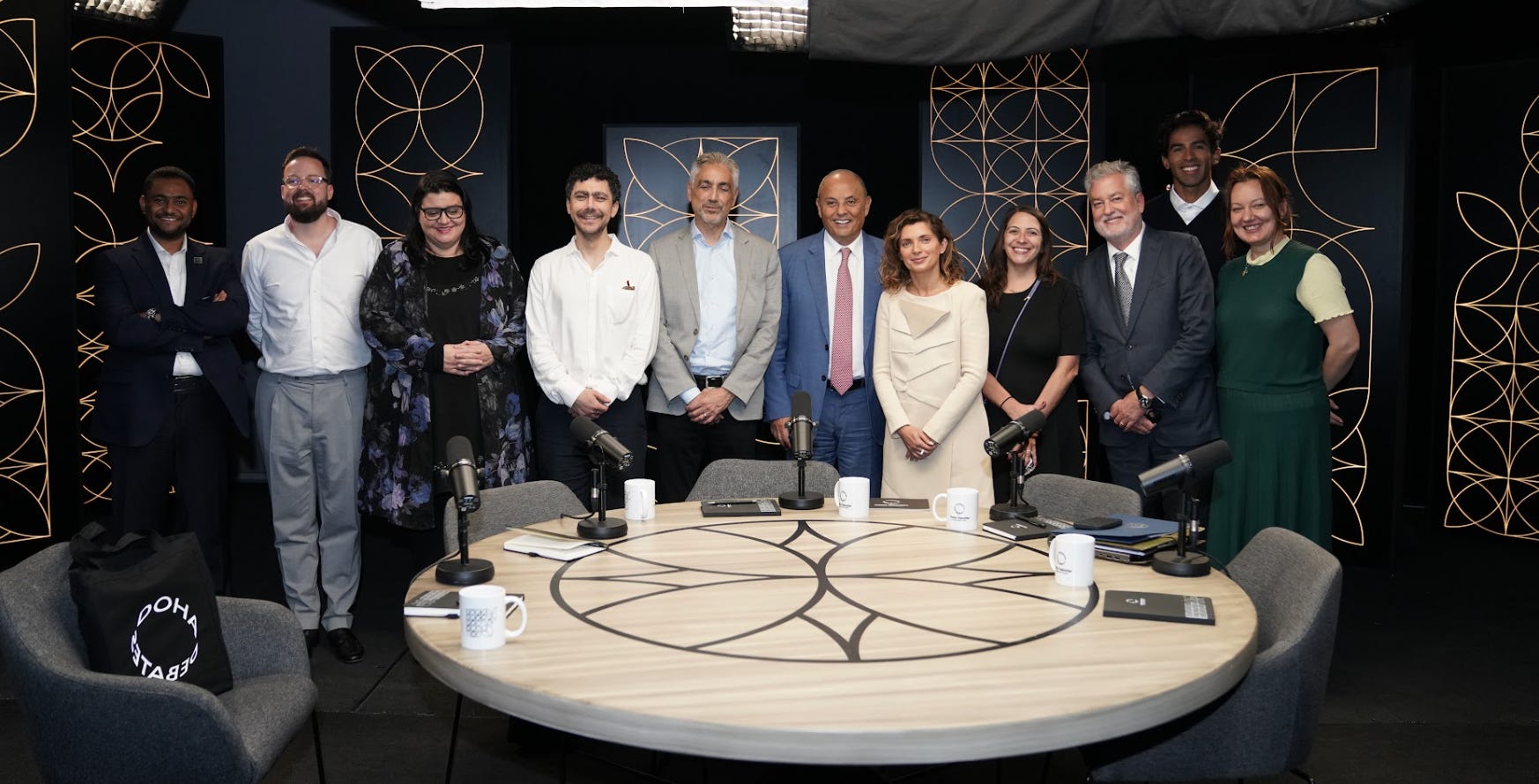
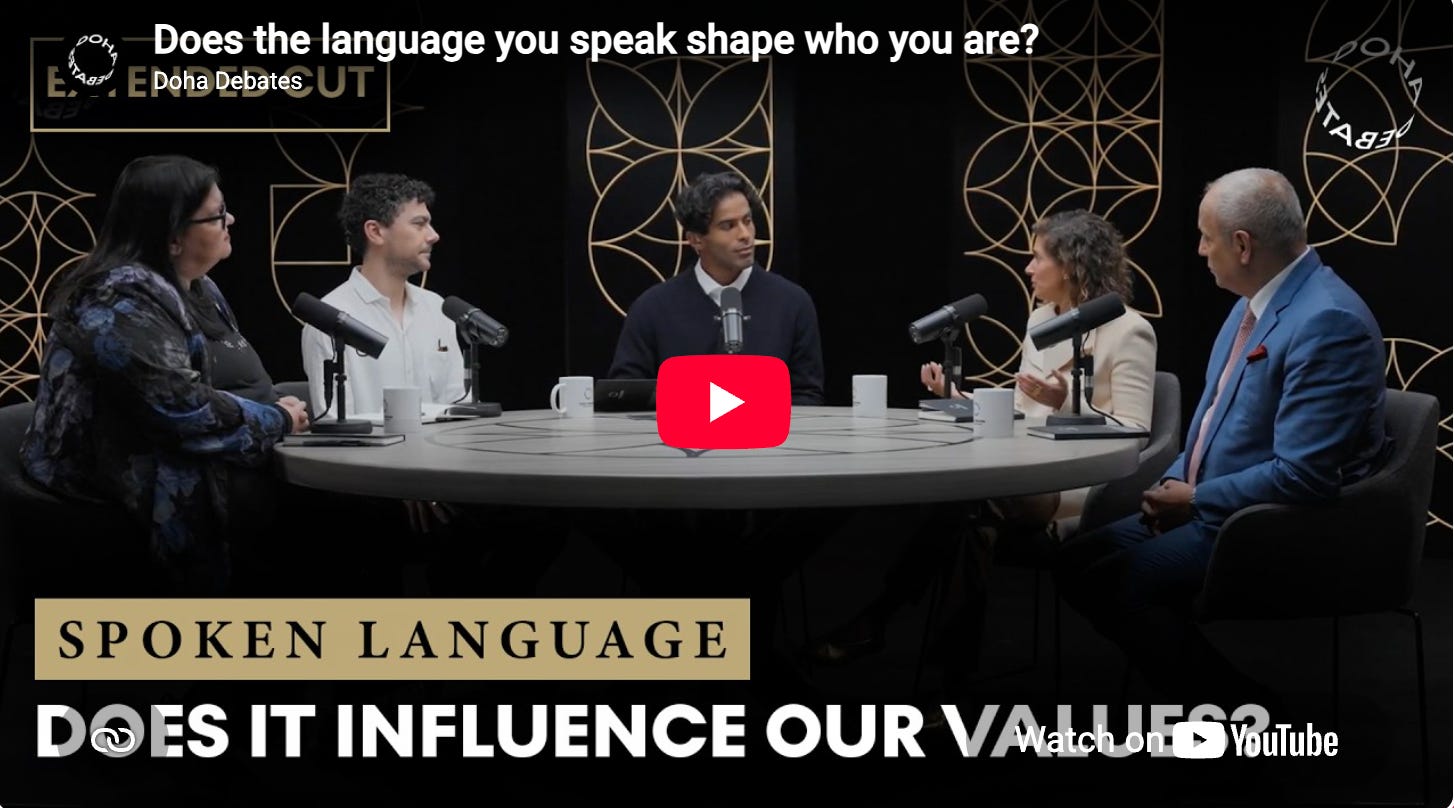
I very much enjoyed this debate with Safwan Masri, Lera Boroditsky and David Shariatmadari. Safwan held that the stories we tell and the language we use to form them are primary in constructing our realities. Lera argued that language is utterly foundational to how we think on a cognitive level. David came from a linguistic perspective on the value of different language to allow us to get at ideas differently. I was the logocentrist of the group, arguing that, while language is powerful and can persuade or alienate, it is ultimately a tool that allows us to express ideas and address issues, not a constructor of reality.
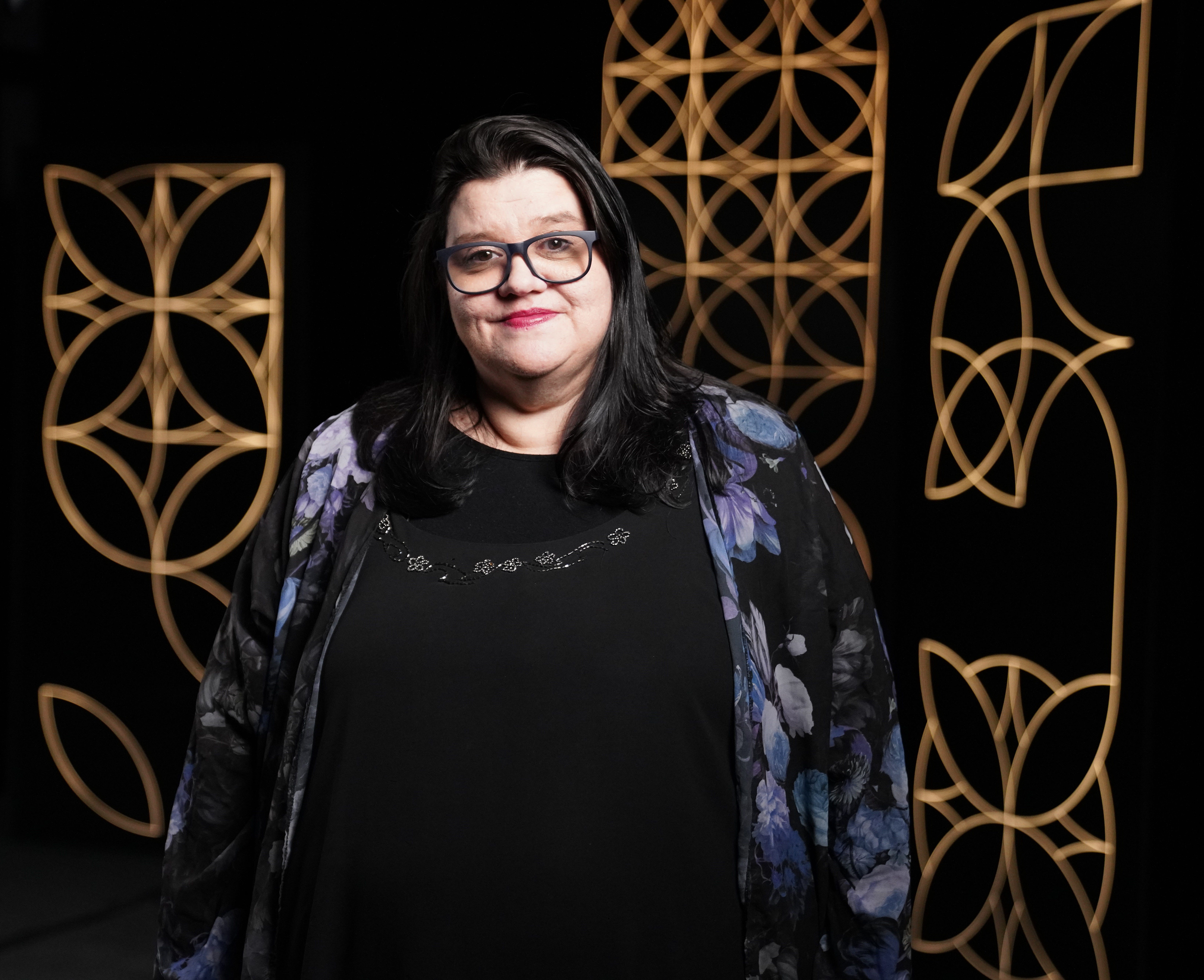
Helen, I think you were a voice apart in that discussion. When you said “do we think in language? That would seem quite slow”, they didn’t seem to get it. I thought of Roger Federer facing a tennis ball coming at 120mph, the ball would pass before he could finish the first syllable. And Descartes’ ridiculous assertion that animals can’t think because they have no language (tell that to the crow dropping nuts onto the pavement). When Jacques Derrida famously said, “there’s nothing outside the text”, he was expressing Postmodernism’s preference of language as a tool to elevate subjectivity over objectivity. I noticed this preference in the other participants, especially Lera Boroditsky. I am sure you could write a wonderful piece refuting the idea that language presides over thought.
I am an old Physcist turned Engineer who now does computer security. It is my observation that a major trick of idealogues, particularily woke ones, but even including some right wingers is to ascribe moral tones to arguments. In their mind it does not matter if an argument or position is correct if it can be ascribed to be evil, and then you can settle upon the 'moral' or 'good' alternative irrespective of correctness. You have to be willing to stand for the correct answer even when you are being called names. I have been referred to more than once as Stragelove and Vader.