

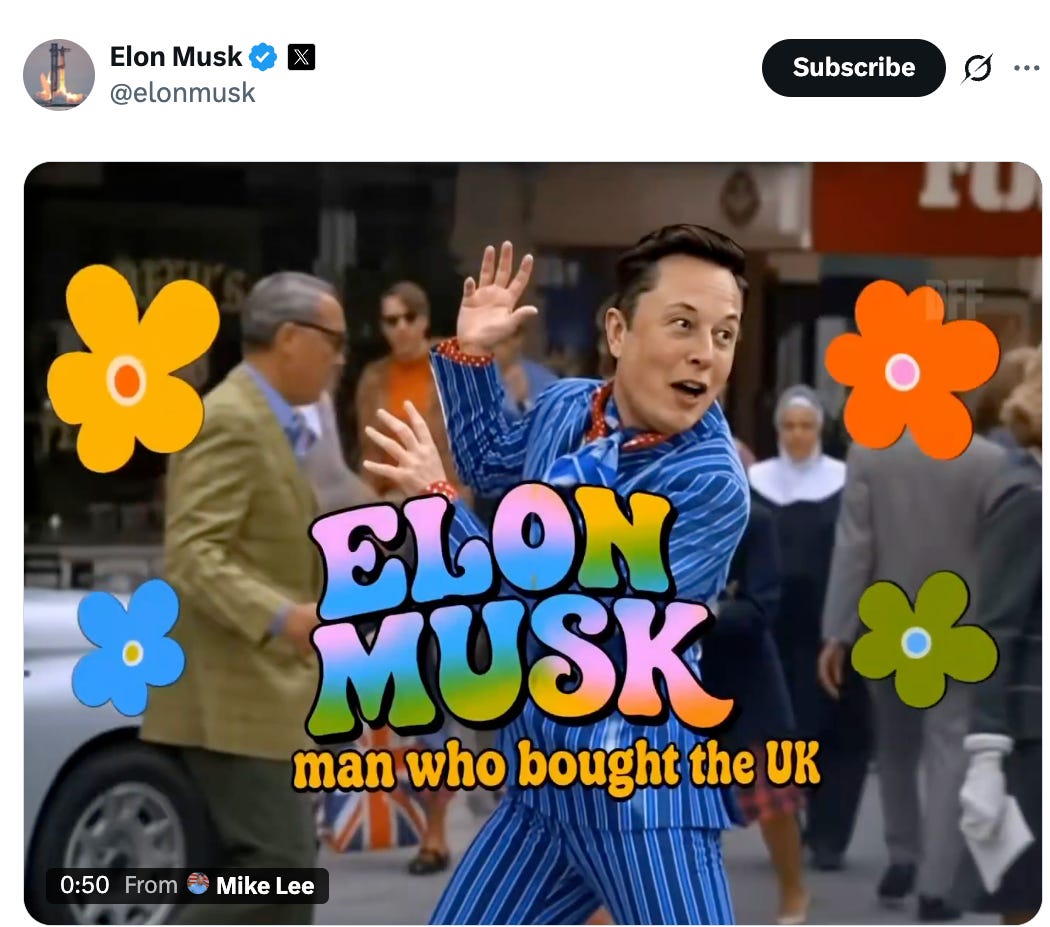
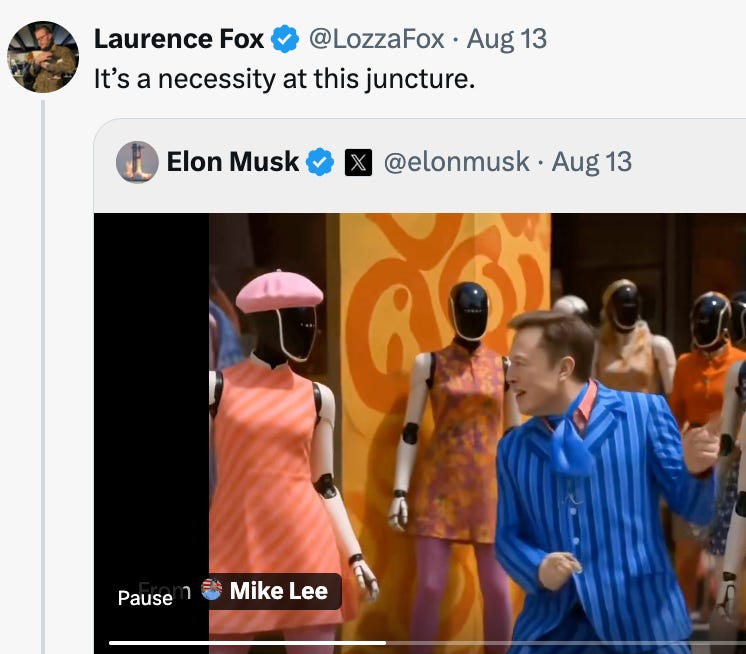
Yesterday, Elon Musk posted an AI video of himself in the guise of the comedy spy character, Austin Powers. It was entitled, “Elon Musk: The Man Who Bought the UK.”
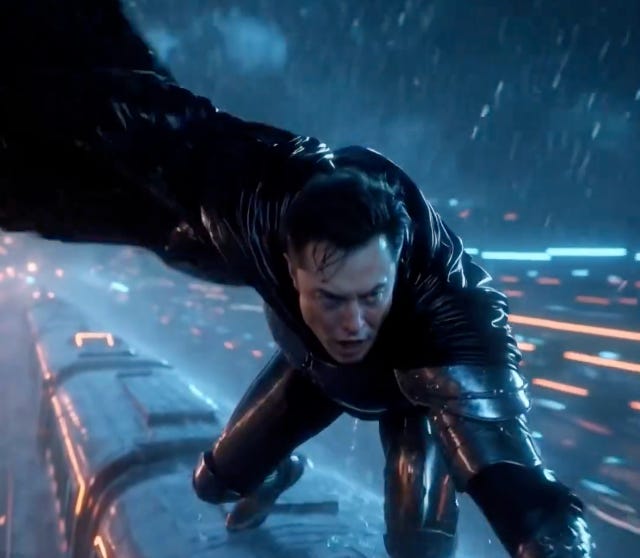
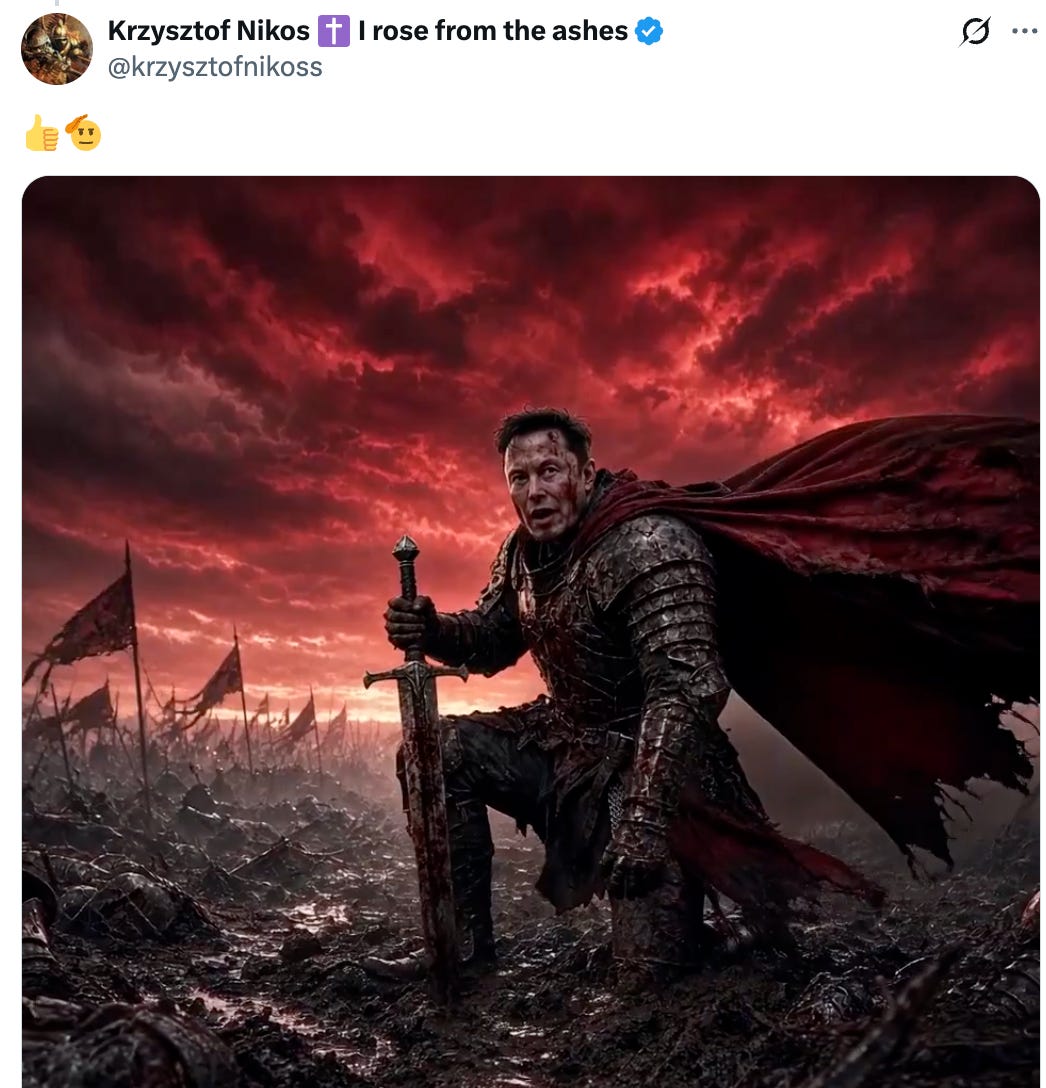
Shortly after this, he posted a five-minute, 30 second video comprised entirely of images of himself in heroic and worldsaving fantasy poses. Here are some of them:


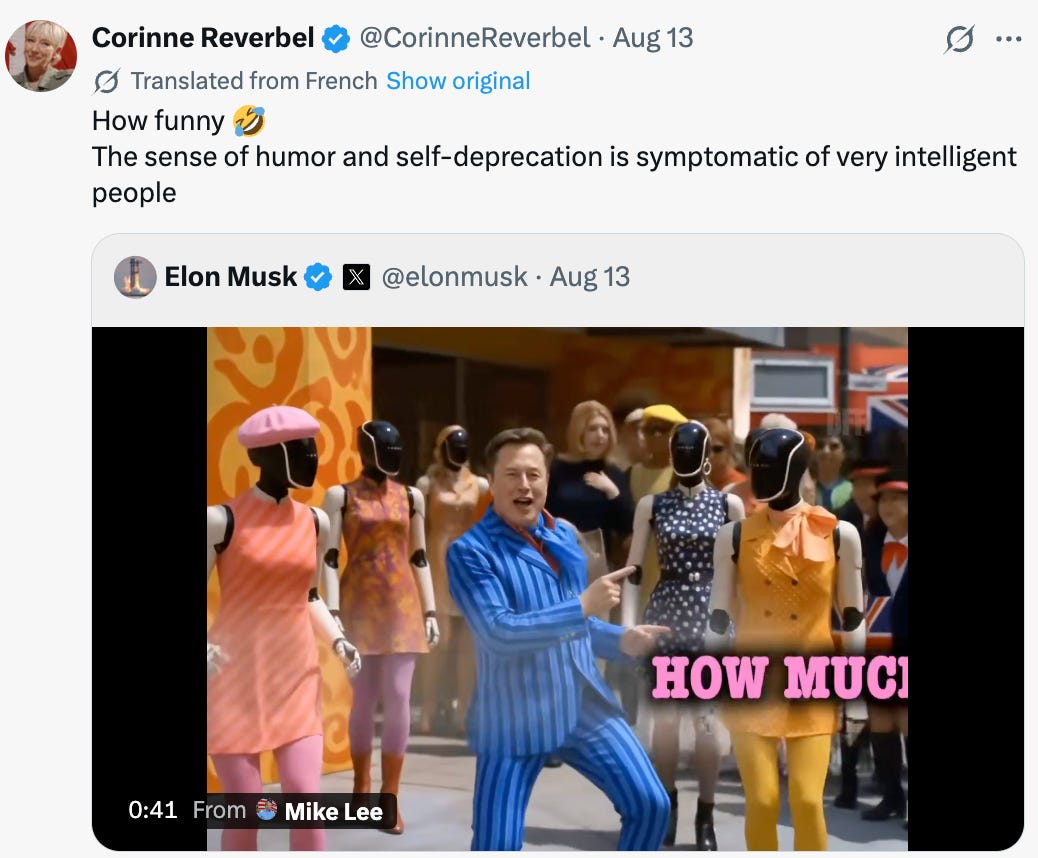
I went to investigate what his fans and admirers were making of all this. In response to the first video, some of them were arguing that he was laughing at himself in an admirable, self-deprecating way. Somebody else had made the video and it was both ridiculous and grandiose. Elon knew it made him look silly but is the kind of man who can take a joke at his own expense.
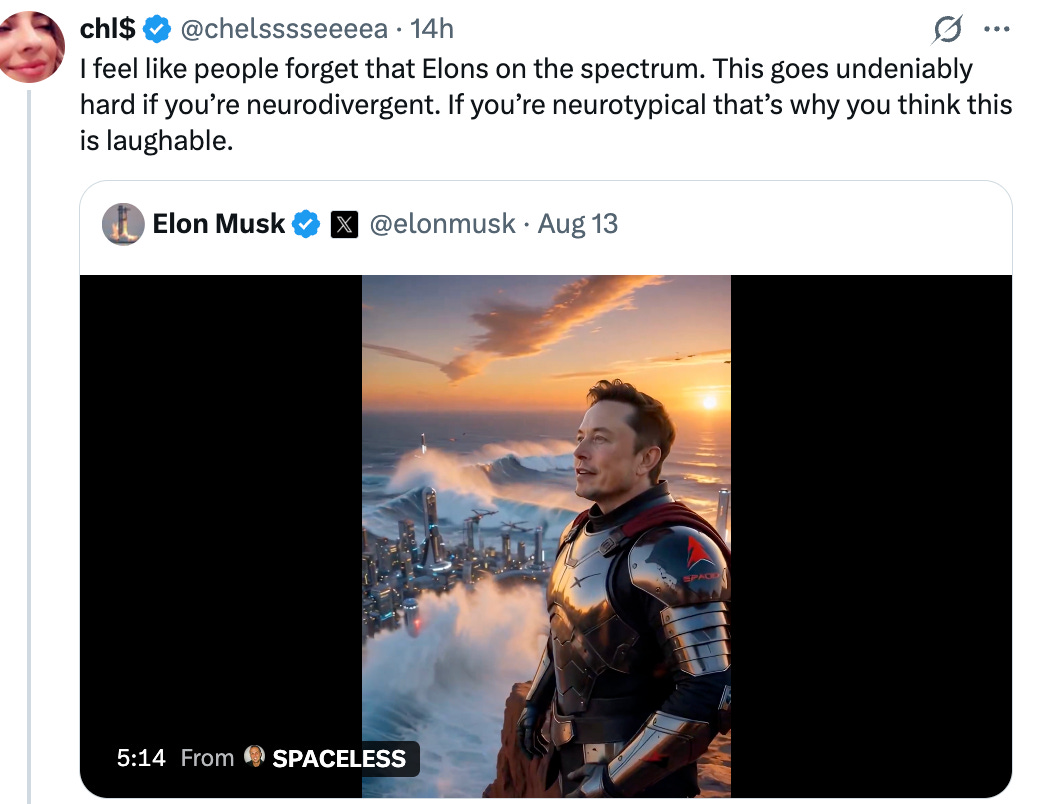
Musk’s sharing of the second video was not really explicable this way. Some of his admirers were explaining it on the grounds that he is on the autistic spectrum. It seems that those who found it a cringeworthy and grandiose form of self-mythologising only do so because they are neurotypical and don’t understand autistic ways of thinking.
It was this argument that put me in mind of Jason Arday and his self-aggrandising fantasies. The main defence of Arday from those who accepted that he had been fantasising was that it was his autism which led him both to ‘mimic’ (plagiarise) other scholars’ work and to understand himself and relate to others through heroic narratives of excellence triumphing over adversity. The implication was that anybody who saw this as a problem was being ableist (and also racist). For others, his stories couldn’t be accepted as fantasy at all, because they needed to buy into the mythology of Jason Arday and what he symbolised about overcoming racism and ableism. (Many autistic people have, understandably, registered strong objections in both cases to autism being invoked as an excuse for self-aggrandising stories. This is not a common feature of the condition).
The situation with Musk does seem to have some parallels, although they should not be overstated. Musk is (probably) not literally claiming to be some kind of superhuman saviour of humanity, like a modern-day Caligula declaring himself to be a living god. He is playing with AI of which he is a creator and which is recognised as such by people viewing it. His mythologisation of himself is therefore presented as a fantasy rather than as literally true. The primary concern, from my perspective, is that the absurd fantasy imagery conveys a political story some fans appear quite willing to endorse non-ironically: Musk as uniquely capable rescuer of decadent Britain/Western Civilisation/humanity. There has already been fan art that buys into the figure of Musk as a saviour as well as some prominent British figures endorsing the idea of Musk owning the UK and its citizens.
Can I suggest we not do this? Creating systems that promote self-aggrandising fantasists into roles for which they are not qualified but which symbolise grand political narratives just doesn’t seem like a terribly good idea. We can admire figures like Arday who (probably genuinely) overcame significant social and communication problems to learn to read and write without encouraging them to define themselves as ‘victor over great hardship,’ giving them a professorship at Cambridge and helping them to build this mythology around themselves. Likewise, we can admire the genuinely very impressive achievements of Elon Musk in the realm of technology without encouraging him to believe himself to also be skilled at international politics and to use his wealth and influence to intervene in them while building up an image of him as the saviour of humanity.
Because neither of these self-images are rooted in reality, building a mythology around them will only ultimately end in disillusionment and a need to try to undo the damage caused by having encouraged and enabled them in the first place. This has already caused a crisis at Cambridge from which it will take some time to recover. The fall-out from anything a man of Musk’s power and influence might do could be much harder to repair. It would be much better to retain a sense of perspective and reality, credit such individuals for their genuine achievements, encourage them to seek appropriate professional support if they appear to become lost in a fantasy world and steer them away from positions of leadership for which they are not qualified. Then address political and cultural issues in ways that focus on material reality and practical strategy rather than heroic symbols and myth-making. Can we not do that instead? Please?
Update: A few hours after I wrote this piece, Jason Arday was found dead. Police are not treating his death as suspicious. Social media is already buzzing with speculation, assuming suicide, and making claims about who should be blamed: right-wing media for reporting the accusations against him, or left-wing academia for promoting him into an untenable position and failing to address concerns about plagiarism earlier. None of us yet knows the circumstances of his death. For now, people would do better to refrain from speculation and respect the privacy of his family.
I think there tends to be an overall glorification of famous people with expertise in one domain as if they are now experts in everything else. I see actors be asked about complex AI systems they have nothing to do, businessmen about medicine, and comedians about geopolitics.
The assumption that they lie because they are autistic is very insulting to the great many honest people with autism that I know.